Lunch optional
Bus day lunch
Okonomiyaki on the island
- LengthA full 8 hours
- Rating4.97 from 9,491
- Pricefrom $126
Guides
Language
Currency
See open seatsstarting at $126 · free to cancelFare for the group
In brief, then
Hiroshima food is led by layered okonomiyaki, and oysters are harvested from October through May with the peak for fresh shipments from November to March.
Planning notes for Hiroshima
4 choices in one view
Enter how many travelers and compare four ways to put food on the plan
≈
View≈
View≈
View≈
ViewEvery row multiplies the lowest per-traveler fare its seller shows by the size of your party, using the European Central Bank's published rate; final totals are fixed only at the seller's checkout.
The layered okonomiyaki is the city's own dish, oysters follow a calendar, and Miyajima adds eel and maple-leaf cakes. See where each is eaten and which guided option fits.
Editorial team, hiroshimatour.top · Updated November 2, 2026 · Roughly 6 minutes to read
Hiroshima in brief
Hiroshima eats from two directions at once: the sea in front of the city and the farmland and hills behind it. The prefecture itself describes the region as rich in food because it lies close to both, and it picks okonomiyaki as the iconic dish, the soul food of Hiroshima.6 Everything else on a visit is a supporting act. The practical result is a trip you can organize around meals: a pancake lunch, an oyster stop in the right months and a sweet to carry onto the ferry, with no need to chase a long restaurant list.
The second act is seafood. Oysters are the prefectural fish, and the same government page lists lemons among the products where Hiroshima holds a high share of national output.7 A squeeze of local lemon is the usual partner for an oyster, and Saijo sake is the traditional drink beside it.8
The third act belongs to Miyajima, where the Tourist Association points to anago-meshi, oysters and okonomiyaki as the island's gourmet trio.9 This page walks through each, then compares the guided options that put food at the center of a day.
The dishes side by side
| Dish | Description | Where | Worth noting |
|---|---|---|---|
| Okonomiyaki | Layered pancake with noodles and egg1 | Across Hiroshima and on Miyajima9 | A family habit, about weekly13 |
| Oysters | Hiroshima's prefectural fish7 | Miyajima and the bay9 | Fresh peak Nov to Mar3 |
| Anago-meshi | Broiled conger eel on rice4 | Miyajima restaurants4 | Less fatty than river eel4 |
| Momiji manju | Maple-leaf cake with red bean paste5 | Miyajima streets18 | The island's top sweet18 |
Facts from the Hiroshima Prefectural Government, the Miyajima Tourist Association and the Japan National Tourism Organization.
A Hiroshima okonomiyaki is built in layers instead of mixed into one batter. On a round pancake of flour go shredded cabbage, thin pork, noodles and egg, which the prefecture lists as the layered ingredients.1 The noodles, soba or udon in the Miyajima Tourist Association's telling, are what give it body.14
The dish has a short history. It started after the Pacific War, when American wheat became affordable for the home, and it began as a thin pancake of flour and water spread on an iron plate and topped with minced leek.15,16 Noodles and the now-famous okonomi sauce arrived as Japan grew richer.14
It is also a home dish. Local families set aside an okonomi day about once a week, usually for a weekend dinner.13 The same Miyajima page says Hiroshima people will argue happily over soba or udon, squid tempura or cheese, and which restaurant is better, so ask anyone for a recommendation and you will get a strong one.17 Watching the cook assemble the stack on the iron plate, then flip it whole, is half the pleasure, and a counter seat shows it all.
Clock times for each food stop
Listed durations of the Viator bus day, a rival coach day with lunch, the dinner walk and the bar-hopping tour.
Oysters are the one dish where timing really matters. Government material says the harvest runs from October through May, with the height of the season for fresh shipments between November and March.3 That window is the one to aim for if raw or grilled oysters are the reason for your trip.
After the peak, supply thins out. From April most oysters are processed and frozen, and fresh ones become increasingly scarce, though a non-spawning variety called Kaki Komachi, developed by the prefecture, lets some restaurants offer fresh oysters into summer.11,19 Ordinary oysters spawn through the rainy season and summer and turn translucent, a state called mizugaki.12
The island's festival belongs to the cold months: the Miyajima Oyster Festival is held in the second weekend of February, though the 2026 edition was cancelled because enough oysters could not be secured.10,20 Check the Tourist Association before building a trip around it. Outside the festival, oyster stalls and restaurants on the island serve them grilled in the shell, fried or in a hot pot; any month inside the harvest window works, and February is not the only way in.
Match your appetite
Choose the line that sounds like your plans and read the answer beside it
If I want one local meal inside a sightseeing day
Bus day with lunch option
The listing sets 50 minutes for okonomiyaki on Miyajima.
If I want an evening of local restaurants
The dinner walk
It strings three restaurant stops over 3 hours.
If I want drinks with my food
Bar hopping
It is a small group limited to 7 with three bars.
If I travel in winter and love oysters
Plan the trip Nov to Mar
That is when fresh shipments peak.3
If I need a vegan or halal lunch
Choose Without lunch
The bus day offers neither and suggests bringing your own.
Put a guide on the menu
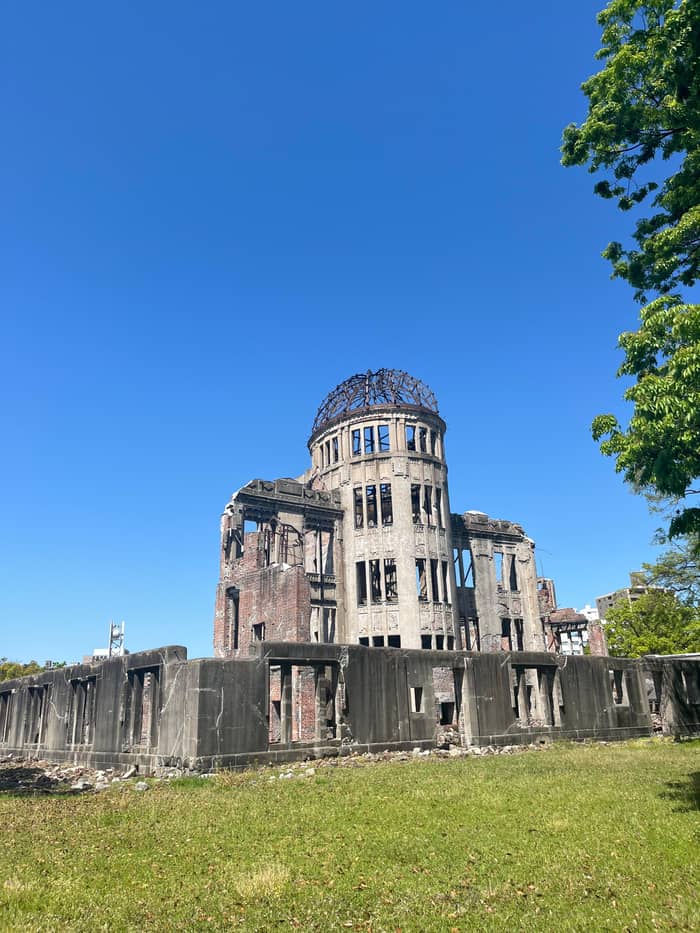
Lunch optional
Okonomiyaki on the island
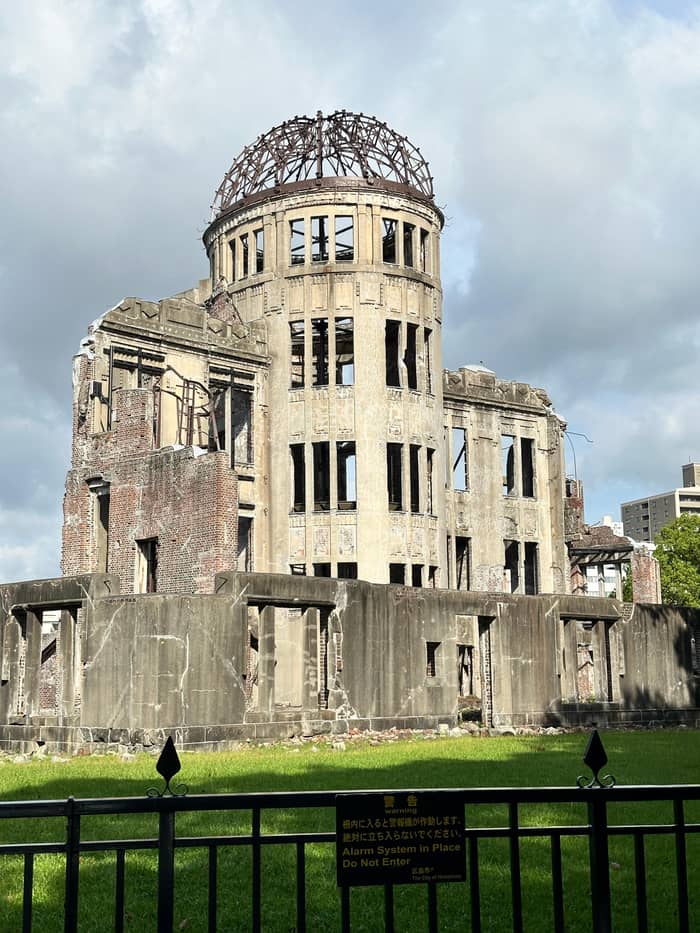
Evening format
Three restaurant stops
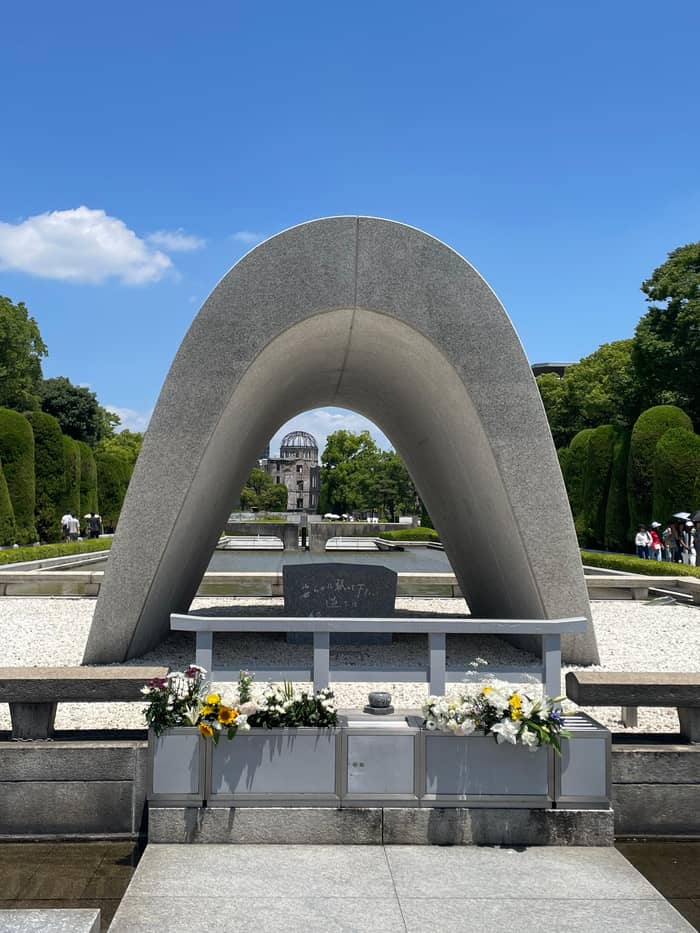
Drinks and plates
Small group of 7
Miyajima's snacks are meant to be eaten as you walk. Momiji manju, a red bean-paste cake shaped like a maple leaf, is called the island's most popular sweet by the Tourist Association, and the Japan National Tourism Organization names it as the treat to try.18,5
For a meal, anago-meshi is broiled conger eel laid over rice. JNTO notes it is less fatty than river eel.4 Oysters appear in many forms on the island, among them grilled, fried and simmered, and JNTO adds that they are best in winter when harvested.21
One souvenir is worth a look: the shamoji rice scoop, created in the 1800s by a visiting monk.22 One rule matters more than any dish: visitors are not allowed to feed the island's deer, so keep your snack out of reach.23 A tidy way to handle it is to eat at a table or on a bench away from the animals, then walk on with your hands empty.
Eating through the year
Oct to Mar
The harvest begins in October, and fresh shipments peak between November and March.3
February
The Miyajima Oyster Festival is normally held in the second weekend of the month.10
April
From April most oysters are processed and frozen.11
Rain to summer
Spawning leaves the flesh translucent, called mizugaki.12
Every season
Local families eat it about once a week.13
On our site tour, lunch is okonomiyaki on Miyajima, and only for travelers who picked the lunch option. The listing sets 50 minutes for it. You eat what the group is served, which suits anyone who wants the local dish without choosing a restaurant. For travelers who like to browse, the free time on the island is the alternative, and the main street offers plenty of choices for a simple lunch of your own.
A vegetarian version can be requested at booking. The listing offers no vegan, halal or gluten-free lunch, so travelers who need one choose Without lunch and bring their own food or eat during the free time on the island.
The museum visit comes first in the day, and the museum allows eating only in designated areas such as its first-floor lounge, which offers light meals and boxed lunches.24,25 Plan snacks around those rules, and keep a bottle of water in your bag for the outdoor parts of the day, as the walk between park, museum and ferry can be long on a hot afternoon.
Video
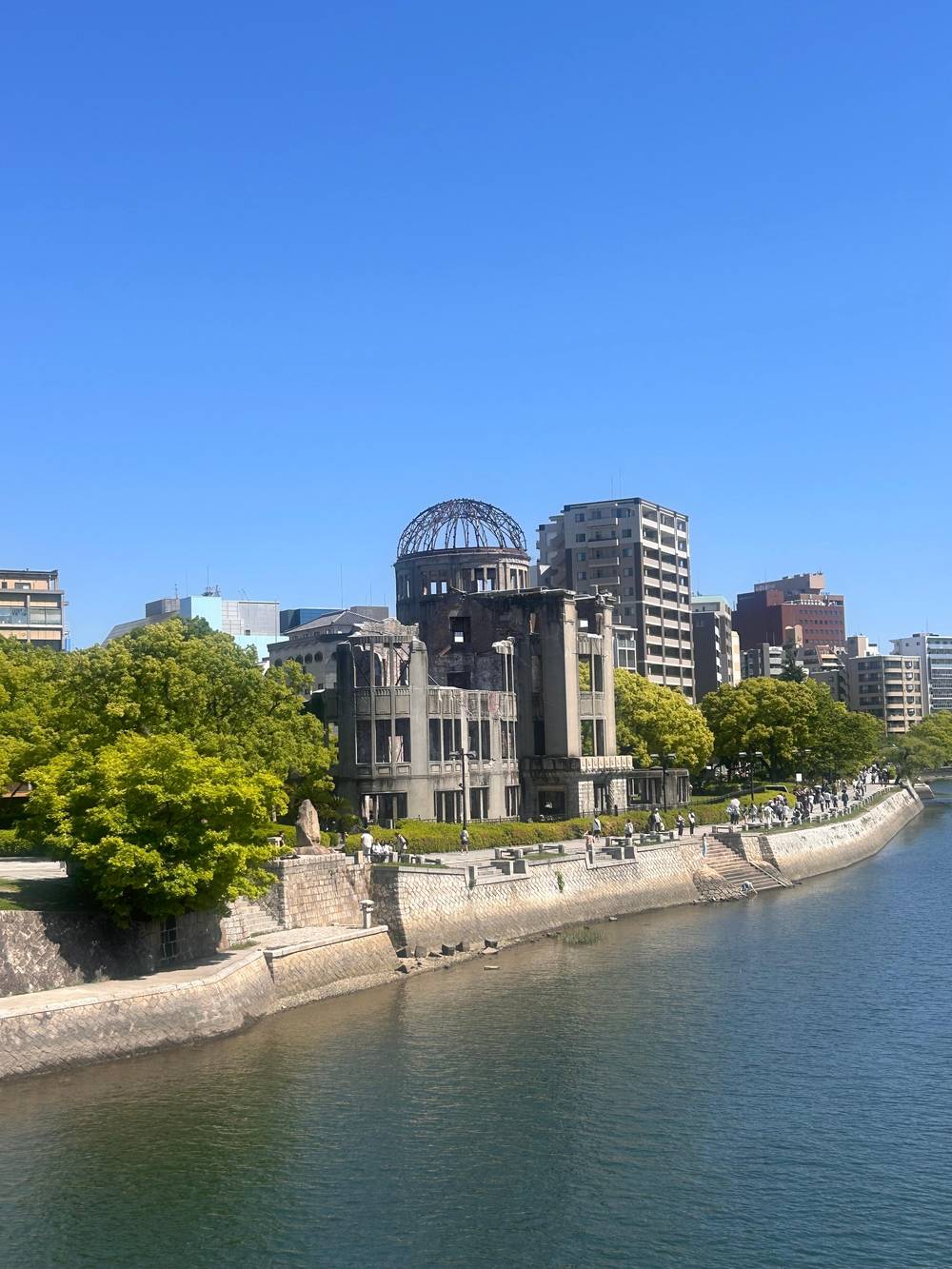
Japan by Food, a YouTube channel · Nothing loads from YouTube until you tap the player.
Hiroshima produces some 20,000 tons of oysters each year, accounting for around 60 percent of Japan’s total oyster production.
Checklist
If the day tour covers one meal, a food walk covers a whole evening. The walking tour with dinner on GetYourGuide lasts 3 hours, starts from $112 and strings together Hondori shopping street, Nagarekawa and three local restaurants.
The bar-hopping alternative also lasts 3 hours and is a small group limited to 7, from $106, with three bars as its stops. It is the pick for travelers who want drinks with their plates.
A third format is a lunch built into a day trip. Another coach day, rated 4.68 from 418 reviews, names a local restaurant among its stops and starts from $115. Each is a different shape of the same idea, and the rating counts above give a sense of how much feedback stands behind each one. Read the full listing for the exact stops before you pay.
Start from the question of what you want the food to do. If it is one part of a larger day, a lunch inside a coach tour keeps the logistics at zero. If it is the main event, an evening walk puts you in the neighborhoods where locals eat.
Check the season for oysters, check opening days with the restaurants, and tell the operator about dietary needs when you book. A kitchen cannot rearrange a menu on the day. The listings above differ on what they can accommodate, and the notes on each booking page are the authority.
Whichever you pick, leave room for the island: a maple-leaf cake in the afternoon is as much a part of the day as the shrine.
FAQ
It stacks cabbage, thin pork, noodles and egg on a round flour pancake.1
It is broiled conger eel on top of rice, less fatty than river eel.4
A non-spawning variety allows fresh oysters on some menus beyond April and in summer.19
The lunch option is okonomiyaki on Miyajima, with a vegetarian version on request.
The listing offers neither, so choose Without lunch and bring your own food.
The walking tour with dinner is listed at 3 hours.
Eating and drinking are allowed in places such as the first-floor lounge.24
Visitors are not allowed to feed the deer, for the sake of their health.23
Sources
Keep reading
Planning a day around the Peace Park and Miyajima? Ask someone on the team.